Smart, Modular and Sustainable Agriculture for the Future
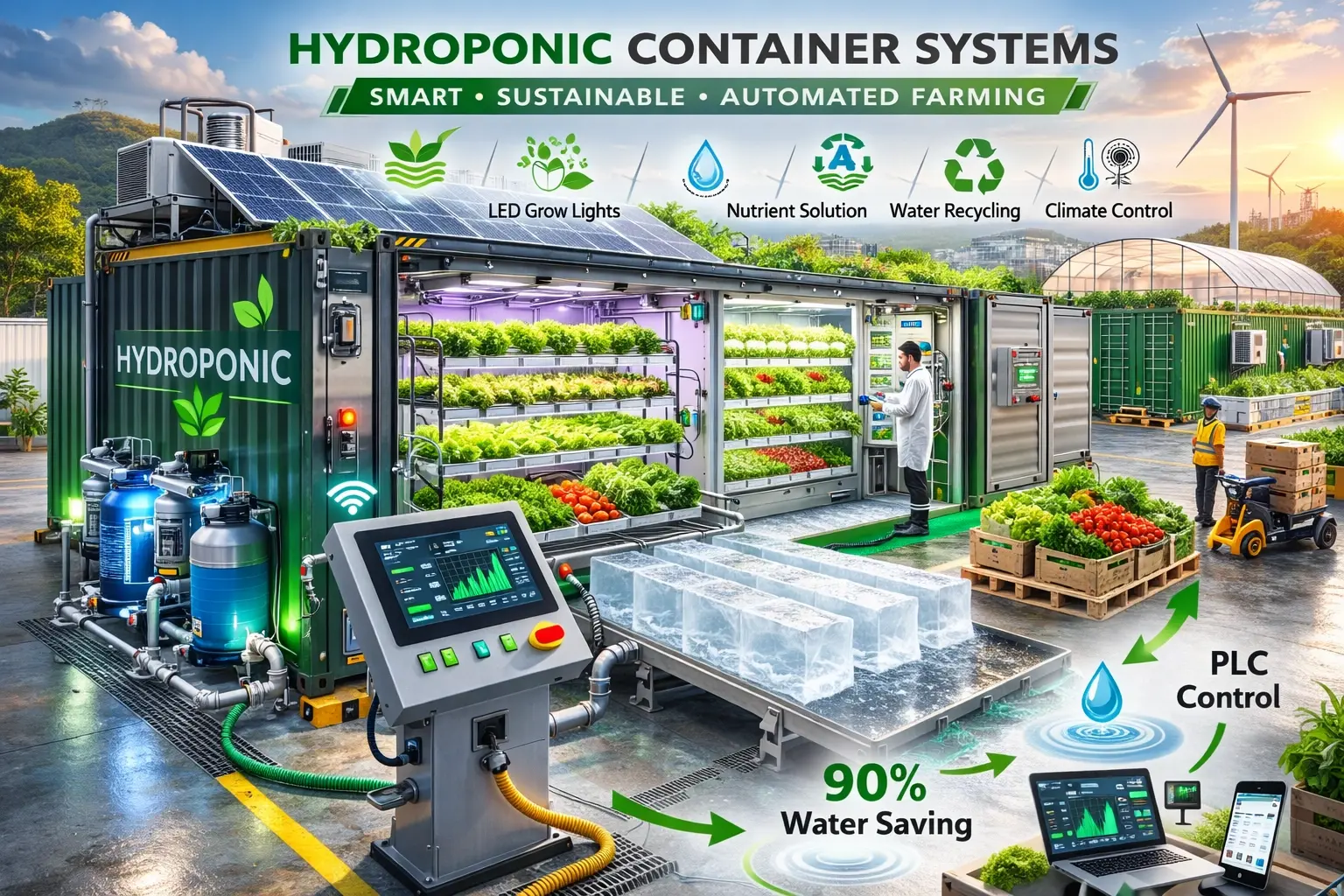
Hydroponic Container Systems represent a transformative solution in modern agriculture, combining advanced growing technologies with modular, transportable infrastructure. Designed to operate inside insulated shipping containers, these fully integrated farming units enable year-round crop production independent of climate, geography, or soil conditions. By merging precision engineering, automation, and sustainable resource management, hydroponic container systems offer a scalable and efficient alternative to conventional farming methods.
A New Generation of Controlled Environment Agriculture
At the core of hydroponic container systems lies the principle of Controlled Environment Agriculture (CEA). Unlike traditional open-field farming, these systems create a completely managed microclimate where temperature, humidity, CO₂ levels, airflow, lighting, and nutrient delivery are precisely regulated. This controlled environment maximizes plant growth rates while minimizing environmental risks such as pests, diseases, and unpredictable weather conditions.
The container structure itself is typically constructed from high-strength, corrosion-resistant steel, reinforced with food-grade interior coatings and high-density insulation panels. This ensures durability, hygiene, and thermal stability, even in extreme climates ranging from desert heat to sub-zero environments. The sealed structure also protects crops from external contamination, reducing the need for pesticides and chemical treatments.
Advanced Hydroponic Growing Technologies
Hydroponic container systems eliminate soil entirely, replacing it with nutrient-rich water solutions delivered directly to plant roots. Depending on crop type and production goals, different hydroponic techniques can be integrated, including:
-
Nutrient Film Technique (NFT)
-
Deep Water Culture (DWC)
-
Aeroponic systems
-
Vertical rack-based hydroponics
By precisely delivering water, oxygen, and essential nutrients, these systems accelerate plant growth cycles and improve yield consistency. Water recirculation technology significantly reduces water consumption often by up to 90% compared to conventional agriculture making hydroponic containers particularly valuable in water-scarce regions.
Intelligent Automation and Remote Monitoring
Modern hydroponic container systems are equipped with PLC-based control panels and user-friendly touchscreen interfaces. Sensors continuously monitor critical parameters such as pH levels, electrical conductivity (EC), water temperature, ambient temperature, humidity, and CO₂ concentration.
The automation system adjusts irrigation schedules, nutrient dosing, ventilation, and LED lighting intensity in real time to maintain optimal growing conditions. Operators can track system performance, analyze production data, and manage multiple units remotely through cloud-based platforms. This high level of automation reduces labor requirements while ensuring consistent crop quality and predictable output.
Data-driven cultivation not only improves efficiency but also enables precise forecasting and inventory planning, making hydroponic container farms highly suitable for commercial-scale operations.
High-Efficiency LED Lighting Systems
To support year-round production, hydroponic container systems incorporate full-spectrum LED grow lights engineered to replicate natural sunlight. These energy-efficient lighting systems are optimized for different growth stages seedling, vegetative, and flowering phases ensuring balanced plant development and enhanced nutritional value.
Advanced lighting strategies, including programmable light cycles and spectrum adjustments, allow producers to fine-tune plant characteristics such as flavor, color intensity, and biomass density. Energy consumption is minimized through optimized light distribution and reflective interior surfaces.
Sustainability and Resource Optimization
Sustainability is one of the defining advantages of hydroponic container systems. Key environmental benefits include:
-
Significant water savings through closed-loop recirculation
-
Reduced land usage via vertical farming layouts
-
Minimal pesticide application
-
Lower transportation emissions through local production
-
Controlled nutrient management to prevent soil and groundwater contamination
Because these systems can be deployed near urban centers, they shorten supply chains and ensure fresh produce delivery with minimal logistics costs. This makes them particularly valuable for metropolitan food security, remote communities, military bases, research facilities, and humanitarian projects.
Modular and Scalable Design
One of the strongest advantages of hydroponic container systems is their modular architecture. Each container operates as a self-contained production unit but can also be integrated into larger farming networks. Businesses can start with a single unit and expand capacity by adding additional containers as demand increases.
The plug-and-play design simplifies transportation, installation, and commissioning. Units can be delivered pre-assembled, minimizing on-site construction requirements. Depending on project scope, technical teams can provide installation support, operator training, and ongoing remote technical assistance.
Crop Versatility and Commercial Potential
Hydroponic container systems are ideal for cultivating a wide range of crops, including:
-
Leafy greens (lettuce, spinach, kale)
-
Herbs (basil, mint, parsley)
-
Microgreens
-
Strawberries
-
Specialty vegetables
The consistent quality and pesticide-free production standards make these systems particularly attractive for supermarkets, restaurants, food processors, and premium organic markets. High-density vertical arrangements maximize production per square meter, significantly increasing return on investment compared to conventional farming.
Reliability and Operational Security
All electrical and mechanical components within hydroponic container systems comply with international safety and quality standards. Backup power options, alarm systems, and fail-safe controls protect crops against power interruptions or system malfunctions.
Integrated water filtration and sterilization systems such as UV treatment or reverse osmosis units ensure high purity levels and protect plant health. The enclosed environment further reduces exposure to external biological risks.
Long-Term Investment Value
Hydroponic container systems are not merely agricultural equipment; they are long-term strategic investments in sustainable food production. Their predictable yield performance, reduced dependency on climate conditions, and efficient resource utilization provide financial stability in an increasingly uncertain agricultural landscape.
As global demand for fresh, locally produced, and environmentally responsible food continues to grow, hydroponic container systems offer a resilient and future-ready solution. By combining automation, sustainability, and modular engineering, they redefine how and where food can be grown.
In an era shaped by urbanization, climate change, and resource constraints, hydroponic container systems stand at the forefront of agricultural innovation delivering reliability, efficiency, and scalability for modern commercial farming operations worldwide.